Mexico’s 120 million citizens will begin to enjoy free, universal access to healthcare from next year, following a decree by socialist president Claudia Sheinbaum.
Random, but why is she called “socialist”? Is she going to ban capitalism (stock markets, public companies, private properties, bonds, etc.)? Or are we simply calling her socialist because she’s closer to European capitalism (balanced, kept in check, regulated) rather than US capitalism?
Socialist is not a bad word. Only in the US it’s a bad word, because socialism means billionaires need to earn less, and the billionaires won’t allow that.
I never said it’s a bad word, but as someone from the east, socialist sounds a bit over-the-top for just healthcare, socialism (social policies) is part of any well balanced capitalism system for me.
Here in Europe elements like healthcare still fall under socialism.
Im not sure how the Mexican government operates, but typically it’s not all-or-nothing. Just because a socialist gets elected doesn’t mean they suddenly have the power to completely overturn a country and kick capitalism out. Such changes would require overwhelming majorities.
However, socialists would strive to implement those elements of their idealogies they can.
Being a socialist doesn’t mean you have to ban capitalism the moment you get power. Or at all. There are many ways to be socialist and do socialist policy. The overarching ideology is the belief we can do better than capitalism by distributing the resources we create according to amount of work and need, instead of profit maximization. How and how quickly we achieve that differs between different kinds of socialists. Sometimes dramatically.
A socialist does support moves beyond capitalism, but in a representative democracy they wouldn’t have the power to do that outright. So it goes in small steps, starting with checks and regulations to prevent capitalism from going rampant (like it is in the US).
You’re not wrong but some render their opposition to capitalism by reducing the scope of the capitalist system. Something liberals tend not to do. Are all reformists committed to bringing it down to zero? Maybe, maybe not. I probably wouldn’t call a self-proclaimed socislist who spends their life reducing the capitalist part of their state a lib if they are okay with say 10% of the economy remaining capitalist.
The morena Party she is from could be defined as a “social democrat party” The state provides some social programs like healthcare, scholarships, help for single mothers, subsidized public transportation, and monetary help for the elderly.
I magine to people in highly capitalist countries these policies would be seen as socialism, but it feels more like a hybrid system. Most of the markets are capitalist with some light government regulation and some basic needs are socialized. I always find it weird how people draw these black and white distinctions today. I’d argue most governments of the world have hybrid systems in their economic management, even America with their welfare programs.
I can’t find anything about her calling herself a socialist, but she’s definitely to the left of most European politicians. Of course she’s working from a less development and more rightwing starting point so her policies seem like common sense to Europeans, but equating her with folks like the SPD based on that would be wrong. You don’t really get this kind of anti-neoliberal, overt social democracy from mainstream European parties anymore.
Is she going to ban capitalism (stock markets, public companies, private properties, bonds, etc.)?
This is communism.
Socialist think that goverment funds should be used to help its people. You know… Society. Schools, healthcare, public infra. Things like that. Socialism does not mean banning private schools and hospitals, or that nobody could not own any land.
I think you misunderstood my “property” word in the context of socialism. Both in communism and socialism, owning properties for means of production, labor, etc. is generally restricted, but the difference here is that in socialism you can (generally) own your own housing. Yes, this includes banning private hospitals and private schools for profit
Goverment sets certain stantard of public healthcare and education, but if you want something outside of it, or for some reason, like long wait time for surgery etc. you can go to private sector.
EDIT: I was born in Soviet union and then grew up in social democracy. I’ve always found these conversations with Americans ridiculous. You don’t understand what you’re talking about, because you clearly mix different systems (ie. Social democracy instead of socialism as a state)
Those Europeans you speak of call themselves socialist too, but they still with the capitalistic system and control the redistribution mechanisms bolted on.
It makes a certain kind of sense to me. Making capitalism serve social goals is obviously a mix of philosophies but if capitalism is serving socialistic ends, isn’t socialism prioritized?
The essence of socialism, to me, is serving the social good as top priority. Not centrally managing the economy. Capitalism can be a “how” with socialism as the “why.”


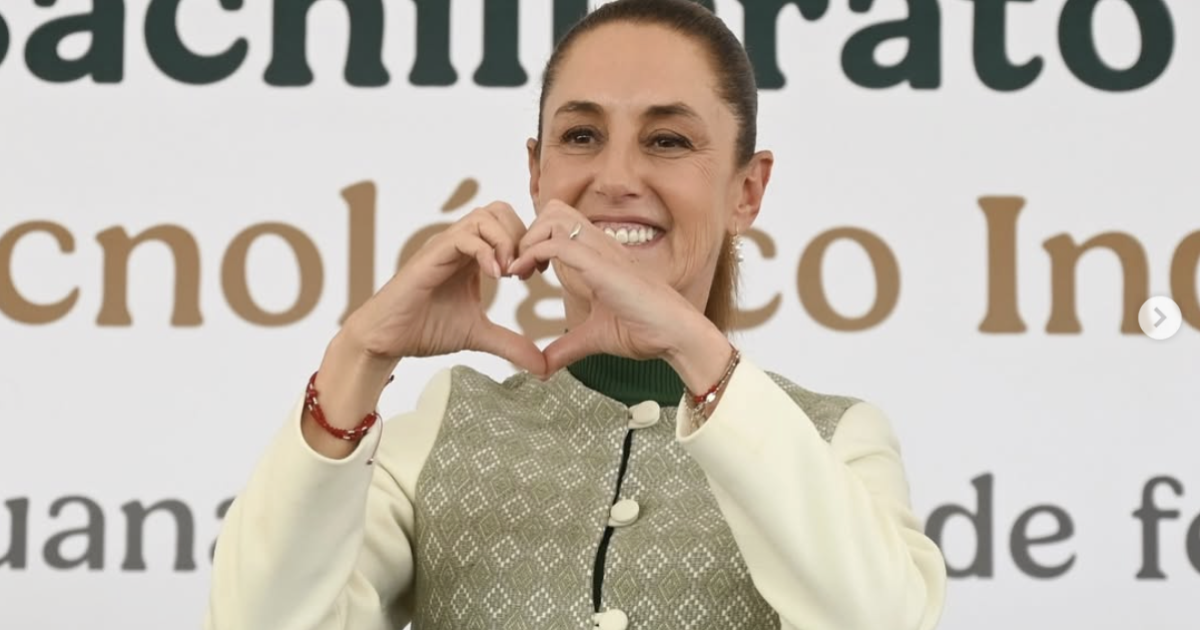
Random, but why is she called “socialist”? Is she going to ban capitalism (stock markets, public companies, private properties, bonds, etc.)? Or are we simply calling her socialist because she’s closer to European capitalism (balanced, kept in check, regulated) rather than US capitalism?
Socialist is not a bad word. Only in the US it’s a bad word, because socialism means billionaires need to earn less, and the billionaires won’t allow that.
I never said it’s a bad word, but as someone from the east, socialist sounds a bit over-the-top for just healthcare, socialism (social policies) is part of any well balanced capitalism system for me.
Here in Europe elements like healthcare still fall under socialism.
Im not sure how the Mexican government operates, but typically it’s not all-or-nothing. Just because a socialist gets elected doesn’t mean they suddenly have the power to completely overturn a country and kick capitalism out. Such changes would require overwhelming majorities.
However, socialists would strive to implement those elements of their idealogies they can.
Agreed. But the context of the area needs to be accounted for. Socialist ideas compared to the old status quo.
Her party is democratic socialist, center left, not socialism, left.
Being a socialist doesn’t mean you have to ban capitalism the moment you get power. Or at all. There are many ways to be socialist and do socialist policy. The overarching ideology is the belief we can do better than capitalism by distributing the resources we create according to amount of work and need, instead of profit maximization. How and how quickly we achieve that differs between different kinds of socialists. Sometimes dramatically.
Socialism is defined by opposition to capitalism, if you don’t support eventually moving beyond Capitalism, you’re definitionally a liberal.
A socialist does support moves beyond capitalism, but in a representative democracy they wouldn’t have the power to do that outright. So it goes in small steps, starting with checks and regulations to prevent capitalism from going rampant (like it is in the US).
You’re not wrong but some render their opposition to capitalism by reducing the scope of the capitalist system. Something liberals tend not to do. Are all reformists committed to bringing it down to zero? Maybe, maybe not. I probably wouldn’t call a self-proclaimed socislist who spends their life reducing the capitalist part of their state a lib if they are okay with say 10% of the economy remaining capitalist.
I love how nowadays words don’t have meanings anymore. Thank you, USA!
The morena Party she is from could be defined as a “social democrat party” The state provides some social programs like healthcare, scholarships, help for single mothers, subsidized public transportation, and monetary help for the elderly.
I magine to people in highly capitalist countries these policies would be seen as socialism, but it feels more like a hybrid system. Most of the markets are capitalist with some light government regulation and some basic needs are socialized. I always find it weird how people draw these black and white distinctions today. I’d argue most governments of the world have hybrid systems in their economic management, even America with their welfare programs.
I wish European capitalism was anywhere near what you seem to think. It’s just less worse… for now.
Than the PPE and its ilk.
There is a very long tradition of gradualist reformist socialism, that goes all the way back to the 2nd International.
I can’t find anything about her calling herself a socialist, but she’s definitely to the left of most European politicians. Of course she’s working from a less development and more rightwing starting point so her policies seem like common sense to Europeans, but equating her with folks like the SPD based on that would be wrong. You don’t really get this kind of anti-neoliberal, overt social democracy from mainstream European parties anymore.
Pretty sure she is socialist in the “when the government does things” sense, not the “will end capitalism” sense.
Im really confused.
This is communism.
Socialist think that goverment funds should be used to help its people. You know… Society. Schools, healthcare, public infra. Things like that. Socialism does not mean banning private schools and hospitals, or that nobody could not own any land.
I think you misunderstood my “property” word in the context of socialism. Both in communism and socialism, owning properties for means of production, labor, etc. is generally restricted, but the difference here is that in socialism you can (generally) own your own housing. Yes, this includes banning private hospitals and private schools for profit
No it does not mean banning anything.
Goverment sets certain stantard of public healthcare and education, but if you want something outside of it, or for some reason, like long wait time for surgery etc. you can go to private sector.
…
EDIT: I was born in Soviet union and then grew up in social democracy. I’ve always found these conversations with Americans ridiculous. You don’t understand what you’re talking about, because you clearly mix different systems (ie. Social democracy instead of socialism as a state)
Those Europeans you speak of call themselves socialist too, but they still with the capitalistic system and control the redistribution mechanisms bolted on.
It makes a certain kind of sense to me. Making capitalism serve social goals is obviously a mix of philosophies but if capitalism is serving socialistic ends, isn’t socialism prioritized?
The essence of socialism, to me, is serving the social good as top priority. Not centrally managing the economy. Capitalism can be a “how” with socialism as the “why.”
She is kind of a socialist, though. Not a communist.