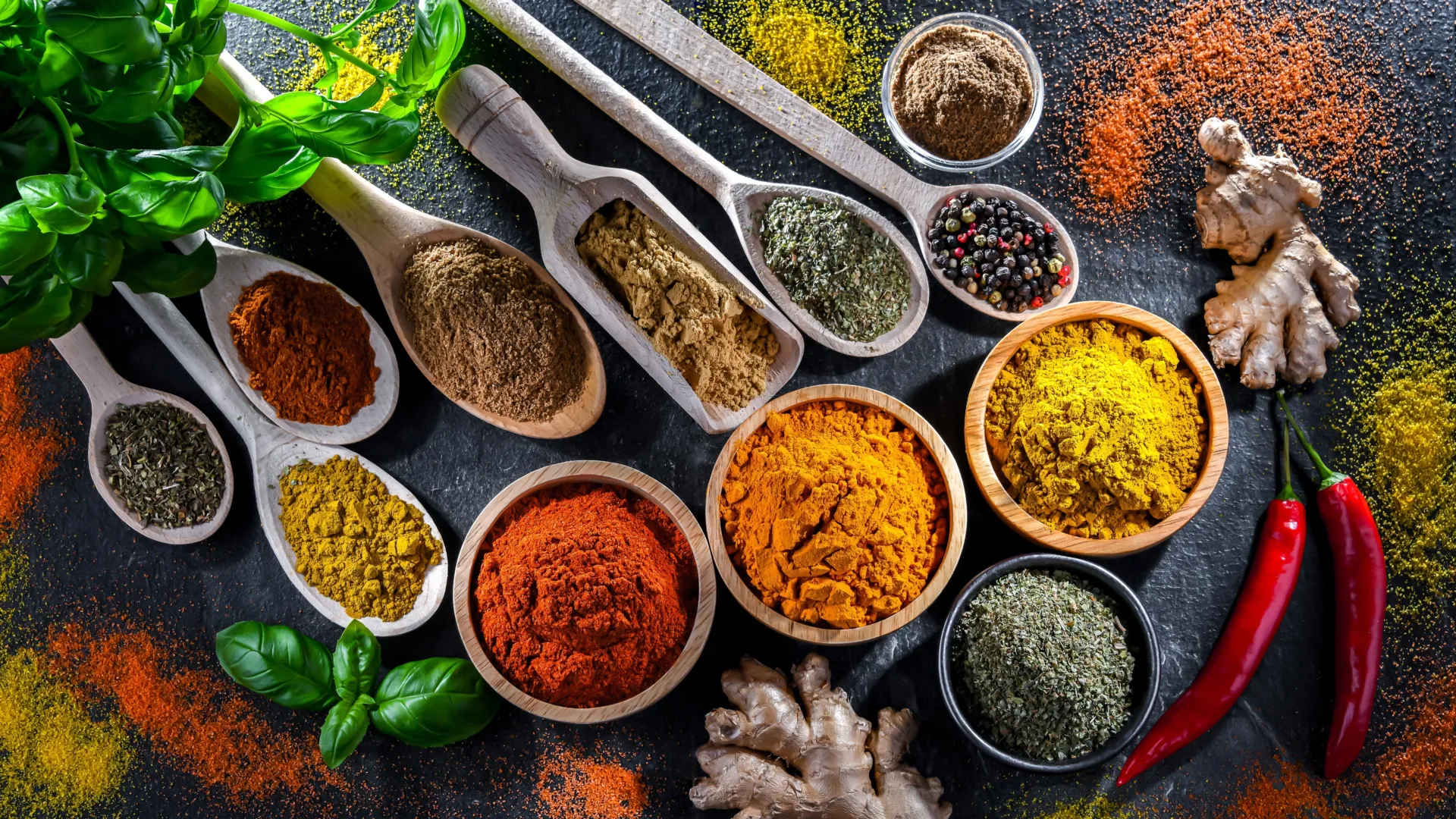
Chronic inflammation often works quietly in the background but can fuel serious diseases like diabetes, heart disease, and cancer. New research reveals that everyday plant compounds—like menthol from mint, cineole from eucalyptus, and capsaicin from chili peppers—can team up inside immune cells to dramatically boost their anti-inflammatory power. While individual compounds showed modest effects, certain combinations amplified results hundreds of times over by activating different cellular pathways at once.


so do regions that eat these spices every day have less cancer?
No.
This was published in MDPI, a predatory publisher with a poor track record for peer review.
The entire study was done in one cell line in vitro.
Fair enough, I’m not an expert, but agree that you’d need far more evidence before making the bold claim.
Which is what proper peer review would conclude.
But how do you know that? I don’t know what the reputable and predatory nutrition journals are.
It’s not always obvious. Science journalists should know.
Science Daily, which is linked here, is well rated. cf https://mediabiasfactcheck.com/science-daily/ So you can hardly be blamed here. But this article appears to be bad reporting.
This article makes or repeat bold claims about treating a medical condition from an in-vitro experiment, without any measurement of the effect on actual humans. Not an expert, but my understanding is a clinical trial is necessary to draw conclusion about the effect on a medical condition in human.
Hopefully what they saw with a few cells in vitro can help prepare a medical trial with proprer controls. If and when such trial occurs, then maybe it’ll be possible to draw early conclusions about a (probable) effect on medical conditions.
Good point.
Is the publishing journal a better indication of low-quality research than the research institution that conducted the study (the Tokyo University of Science, in this case)?
Probably, generally you want to publish in the best journal you can, and if the journal is know for bad/easy publishing then that would correlate better. Universities have many many research groups, so while generally good research institutions will probably have better research and paper quality you can still have worse ones.
Disclaimer: I am not in academia and decent amount of this is either directly from or based upon recently watching Explosions & Fire’s recent video on academia: https://youtu.be/4CbdVkcr-Nw
Institutions don’t dictate quality. Harvard has a long history of garbage studies an various wankers.
TUS is NOT University of Tokyo.
Quality can only be judged by critically reading the paper.