no animal produces b12 - it all comes from soil bacteria - which is why grass fed ruminants have b12
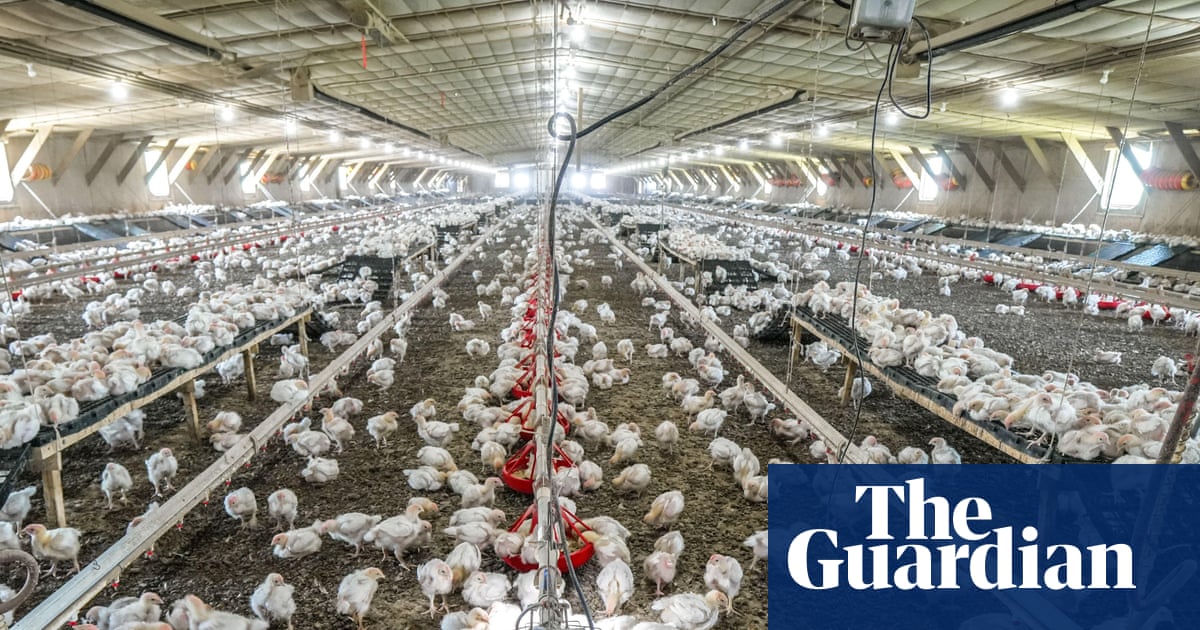
but practically no modern day meat farm relies on grass feeding only - even the “grass fed” get the bulk of their calories via feed (and therefore take b12 supplements)
if you’re arguing that we should go back to “the olden days” - meaning no more than 20% of your yearly calories being meat - or eating meat about once a week - then please don’t let me stop you - but at that point I’d much rather take my b12 supplements and not have to needlessly kill animals 🤷♀️
Not eating meat AT ALL is such a novel thing for human gastroevolution that I personally prefer to wait 5k years or so to see the outcomes before commiting. That includes eating diet supplements, who might or might not work.
There have been cultures in certain blue zones like in Okinawa where people traditionally ate very little meat.
Less than 1% of their diet was fish; less than 1% of their diet was meat, and same with dairy and eggs, so it was more than 96% plant-based, and more than 90% whole food plant based—very few processed foods either. And, not just whole food plant-based, but most of their diet was vegetables, and one vegetable in particular—sweet potatoes. The Okinawan diet was centered around purple and orange sweet potatoes
Also adventist vegetarians in California:
The plant-based nature of the diet may trump the caloric restriction, though, since the one population that lives even longer than the Okinawa Japanese don’t just eat a 98% meat-free diet, they eat 100% meat-free. The Adventist vegetarians in California, with perhaps the highest life expectancy of any formally described population.
Adventist vegetarian men and women live to be about 83 and 86, comparable to Okinawan women, but better than Okinawan men. The best of the best were Adventist vegetarians who had healthy lifestyles too, like being exercising nonsmokers, 87 and nearly 90, on average. That’s like 10 to 14 years longer than the general population. Ten to 14 extra years on this Earth from simple lifestyle choices. And, this is happening now, in modern times, whereas Okinawan longevity is now a thing of the past. Okinawa now hosts more than a dozen KFCs. Their saturated fat tripled. They went from eating essentially no cholesterol to a few Big Macs’ worth, tripled their sodium, and are now just as potassium deficient as Americans, getting less than half of the recommended minimum daily intake of 4,700 mg a day. In two generations, Okinawans have gone from the leanest Japanese to the fattest
Ignoring fact, that the study was a self-questionaire, performed 40 years ago, and did not check if the Adventist do continue the healthy habits; with all the goodwill that I can muster:
vegetarians are defined as eating meat no more than once a month, semivegetarians no more than once a week
no vegans
each of life expectancy markers yield statistically same result 1.5-2.5 years: not smoking, medium bmi, exercise, eating nuts, being vegetarian.
I am plant-based myself (the study would mark me as semivegetarian). I am very careful about proclaiming that meat is unhealthy in any dose, because that’s not how humans evolved for the past 300 000 years.
Non-ruminants including fish also have vitamin b12. I mentioned the old days to show that people then survived eating animals without b12 supplements. But in those days animals roamed more freely. As long as people eat a healthy diet, I’m fine. I just don’t want anyone to be like that girl in an article trending in this community who died from b12 deficiency.


I think you have to combine it with other foods to get a complete protein.
Pulses plus grains give you the right set of amino acids to make proteins.
Yes, and some meat is necessary to obtain vitamin B12.
why eat animals that have been fed b12 supplements when you can just take the b12 supplements yourself?
I can get a 1-year supply of B12 for like $3 or something. It’s a solved problem.
Animal meat naturally has b12. In the old days, animals weren’t fed b12 supplement.
no animal produces b12 - it all comes from soil bacteria - which is why grass fed ruminants have b12
but practically no modern day meat farm relies on grass feeding only - even the “grass fed” get the bulk of their calories via feed (and therefore take b12 supplements)
if you’re arguing that we should go back to “the olden days” - meaning no more than 20% of your yearly calories being meat - or eating meat about once a week - then please don’t let me stop you - but at that point I’d much rather take my b12 supplements and not have to needlessly kill animals 🤷♀️
Not eating meat AT ALL is such a novel thing for human gastroevolution that I personally prefer to wait 5k years or so to see the outcomes before commiting. That includes eating diet supplements, who might or might not work.
There have been cultures in certain blue zones like in Okinawa where people traditionally ate very little meat.
Also adventist vegetarians in California:
Source : https://youtu.be/mryzkO5QWWY
Study: www.medicosadventistas.org/wp-content/uploads/2018/09/Ten-years-of-life-Is-it-a-matter-of-choice.pdf
Ignoring fact, that the study was a self-questionaire, performed 40 years ago, and did not check if the Adventist do continue the healthy habits; with all the goodwill that I can muster:
I am plant-based myself (the study would mark me as semivegetarian). I am very careful about proclaiming that meat is unhealthy in any dose, because that’s not how humans evolved for the past 300 000 years.
Non-ruminants including fish also have vitamin b12. I mentioned the old days to show that people then survived eating animals without b12 supplements. But in those days animals roamed more freely. As long as people eat a healthy diet, I’m fine. I just don’t want anyone to be like that girl in an article trending in this community who died from b12 deficiency.