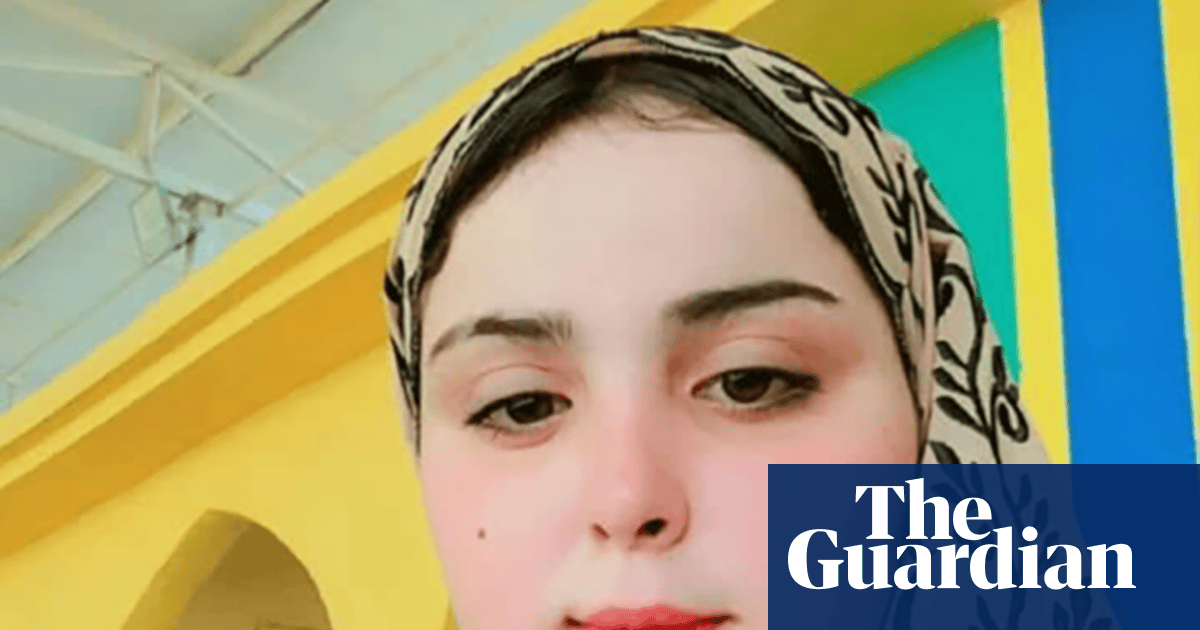
Horrified by the recent murder of Kawthar al-Husayjawi, one of her female relatives describes what happened – and her fears for other women and girls forced into early marriage in Iraq
I think there are cultural differences that we ought to tolerate and be mindful of our biases on (how you prepare food, the clothes you wear, difference in manners, accents, language, etc.) and there are things which are universal evils (murdering children for not marrying).
It is unfair to ascribe the latter to all people belonging to a particular culture (the “you people” comment), since “universal” evil goes both ways - all people should consider it evil, but it is not unique to a particular people. A strange duality. Reminds me of the dad who “accidentally” shot and killed his daughter in Texas after an argument about Trump and was never investigated.
Except somehow Muslim cultures are very tolerant of these evil acts. Makes you wonder maybe there is something in the culture that allows it and there absolutely is.
Primarily Islam is a prison religion and by that I mean that Quaran is a literal guide that is not up for interpretation like other cultural thought leads. The Bible is interpreted, the teachings of Karl Marx are interpreted, the Austrian school of economics is interpreted - this gives people an opportunity to self correct. Whila Islam is literal - there’s no space for justice.
Islam will never be as flexible and just as other cultural leads, period.
I think the Sunni and the Shia might want to have a word with you with whether or not Islam can be interpreted in different ways.
That being said, when we see strict interpretations of religions, it’s usually in particular sects or denominations (unless it’s a very new religion, such as scientology - which is a cult and a religion, of sorts). The Amish and the Shakers might be examples of particularly strict sects within Christianity.
And in the case of the article, I think the situation is impacted strongly by governmental corruption and lawlessness. The way children are treated in Jordan and the way children are treated in Iraq are very different, even if they might both be majority-Islam countries.
By limiting ourselves in only thinking what cultures are “good” or “bad”, we will severely hamper our abilities to protect children and uphold justice. This is how we end up with people thinking banning niqabs or burkas in France will somehow prevent child marriage.


I think there are cultural differences that we ought to tolerate and be mindful of our biases on (how you prepare food, the clothes you wear, difference in manners, accents, language, etc.) and there are things which are universal evils (murdering children for not marrying).
It is unfair to ascribe the latter to all people belonging to a particular culture (the “you people” comment), since “universal” evil goes both ways - all people should consider it evil, but it is not unique to a particular people. A strange duality. Reminds me of the dad who “accidentally” shot and killed his daughter in Texas after an argument about Trump and was never investigated.
They said “same monsters” though so they’re specifically talking about the people who committed the murder not any larger group of people.
Except somehow Muslim cultures are very tolerant of these evil acts. Makes you wonder maybe there is something in the culture that allows it and there absolutely is.
Primarily Islam is a prison religion and by that I mean that Quaran is a literal guide that is not up for interpretation like other cultural thought leads. The Bible is interpreted, the teachings of Karl Marx are interpreted, the Austrian school of economics is interpreted - this gives people an opportunity to self correct. Whila Islam is literal - there’s no space for justice.
Islam will never be as flexible and just as other cultural leads, period.
I think the Sunni and the Shia might want to have a word with you with whether or not Islam can be interpreted in different ways.
That being said, when we see strict interpretations of religions, it’s usually in particular sects or denominations (unless it’s a very new religion, such as scientology - which is a cult and a religion, of sorts). The Amish and the Shakers might be examples of particularly strict sects within Christianity.
And in the case of the article, I think the situation is impacted strongly by governmental corruption and lawlessness. The way children are treated in Jordan and the way children are treated in Iraq are very different, even if they might both be majority-Islam countries.
By limiting ourselves in only thinking what cultures are “good” or “bad”, we will severely hamper our abilities to protect children and uphold justice. This is how we end up with people thinking banning niqabs or burkas in France will somehow prevent child marriage.
“Culture” =/= Oppression