Well, there’s no real reason to think it was a forced meme, as opposed to just people living it up when they suddenly could, and it started well before the Cold War. When you watch something set in the Old West, and they’re driving cattle east, that’s what it was about. It’s worth saying it was cheap-er in America than Europe or the undeveloped world, with all that freshly “cleared” land to graze on. Still more expensive than plant crops, though.
There’s a few sides to the Soviet shopping thing. Price controls in the USSR meant that the shopping experience was very different in general. You could afford everything, but anything unusual or desirable tended to sell out immediately. There were indeed empty shelves as a result, although on a rotating basis. Later on, as the system was collapsing, that became permanently empty shelves. People in the West tend to conflate the two, and the famines that happened before the space race period, 'cause propaganda. (There also were no one-stop-shops, and everything was behind the counter and collected by staff, but that’s a digression)
On the other end, there just were a lot more food categories in the West, and the USSR itself acknowledged it. There, a new product couldn’t exist until some government boss sponsored a project to create it, and fudge pops or whatever probably weren’t front of mind for what the Union needed. They spent a lot of time copying Western consumer products as a result. When it came to military equipment or civilian infrastructure, where the requirements are more concrete, they did far better.
There’s a few sides to the Soviet shopping thing. Price controls in the USSR meant that the shopping experience was very different in general. You could afford everything, but anything unusual or desirable tended to sell out immediately.
Yes, it was pretty typical. People had money, but couldn’t spend it. Rents were super cheap as well. So cheap they didn’t even cover the maintenance costs of buildings.


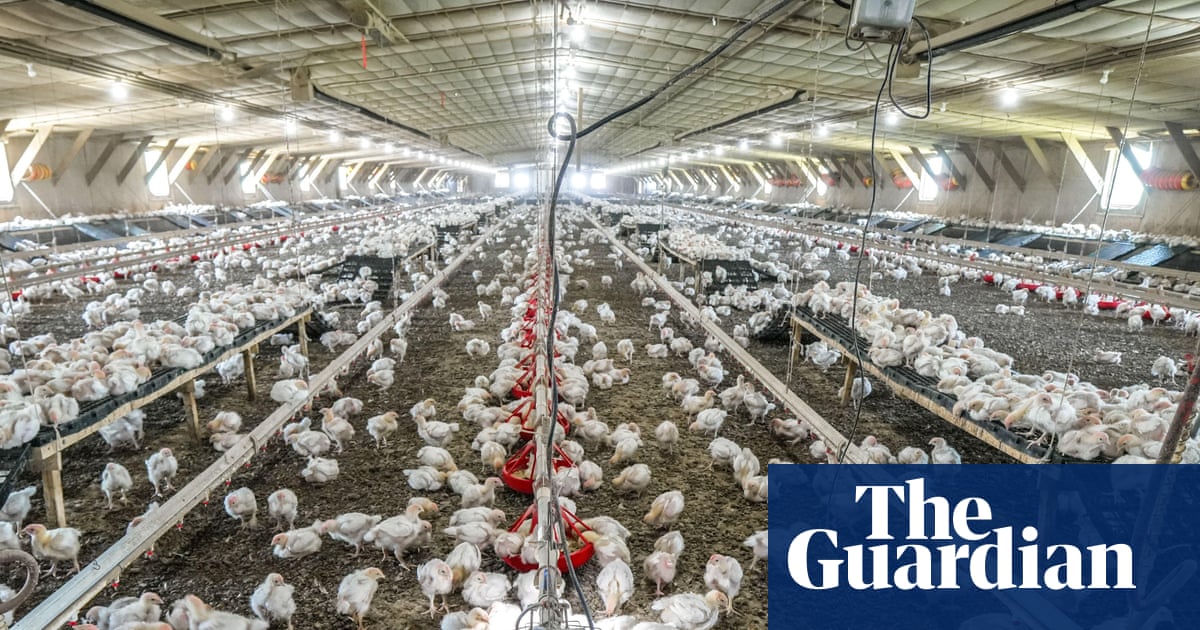
Well, there’s no real reason to think it was a forced meme, as opposed to just people living it up when they suddenly could, and it started well before the Cold War. When you watch something set in the Old West, and they’re driving cattle east, that’s what it was about. It’s worth saying it was cheap-er in America than Europe or the undeveloped world, with all that freshly “cleared” land to graze on. Still more expensive than plant crops, though.
There’s a few sides to the Soviet shopping thing. Price controls in the USSR meant that the shopping experience was very different in general. You could afford everything, but anything unusual or desirable tended to sell out immediately. There were indeed empty shelves as a result, although on a rotating basis. Later on, as the system was collapsing, that became permanently empty shelves. People in the West tend to conflate the two, and the famines that happened before the space race period, 'cause propaganda. (There also were no one-stop-shops, and everything was behind the counter and collected by staff, but that’s a digression)
On the other end, there just were a lot more food categories in the West, and the USSR itself acknowledged it. There, a new product couldn’t exist until some government boss sponsored a project to create it, and fudge pops or whatever probably weren’t front of mind for what the Union needed. They spent a lot of time copying Western consumer products as a result. When it came to military equipment or civilian infrastructure, where the requirements are more concrete, they did far better.
Yes, it was pretty typical. People had money, but couldn’t spend it. Rents were super cheap as well. So cheap they didn’t even cover the maintenance costs of buildings.