

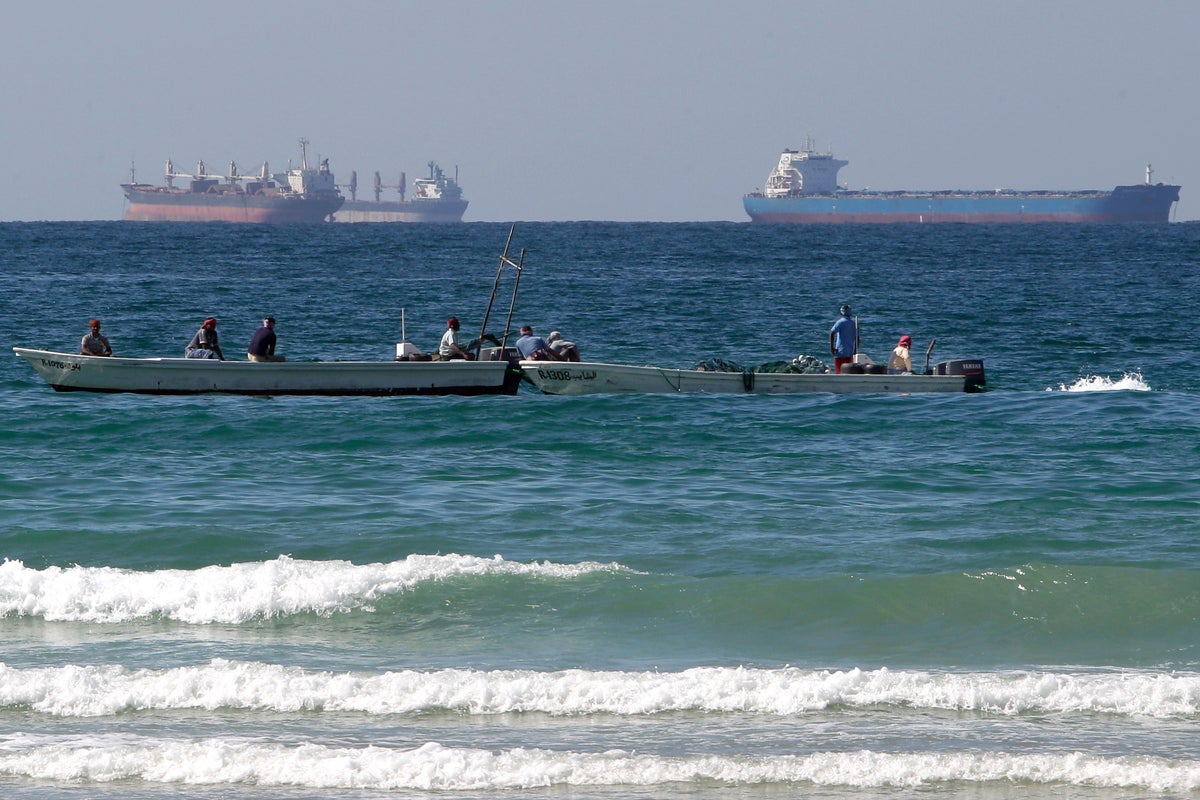
A sustained disruption of traffic through Hormuz would not simply constitute an energy crisis. It would also represent a fertiliser shock (where prices go up dramatically and supply goes down) – and, by extension, a direct risk to global food security.
I’d love to see a movement towards farming that better maintains soil quality and reduces dependence on petrochemical inputs.
However, I’m skeptical about whether we can a) feed 9 billion people that way and b) whether it can be achieved in a short time frame given how badly we have degraded much of our soils
Regardless, it’s the right direction to move in. But I don’t think it can bail the world out of the current crisis
Two of the worst sustainability issues with US agriculture practice is that we use too much land to feed livestock and inefficiently fuel cars. Growing plant-based protein sources uses about 90% fewer resources and land compared to say beef. A good 25-30% of our corn is also used inefficiently to create fuel for cars, relevant Technology Connections video. So reducing meat consumption and replacing a fraction of the corn fields with solar panels would free up a lot more land that could be used to directly feed humans and more efficiently power electric vehicles.