

- cross-posted to:
- world@lemmy.world
- cross-posted to:
- world@lemmy.world
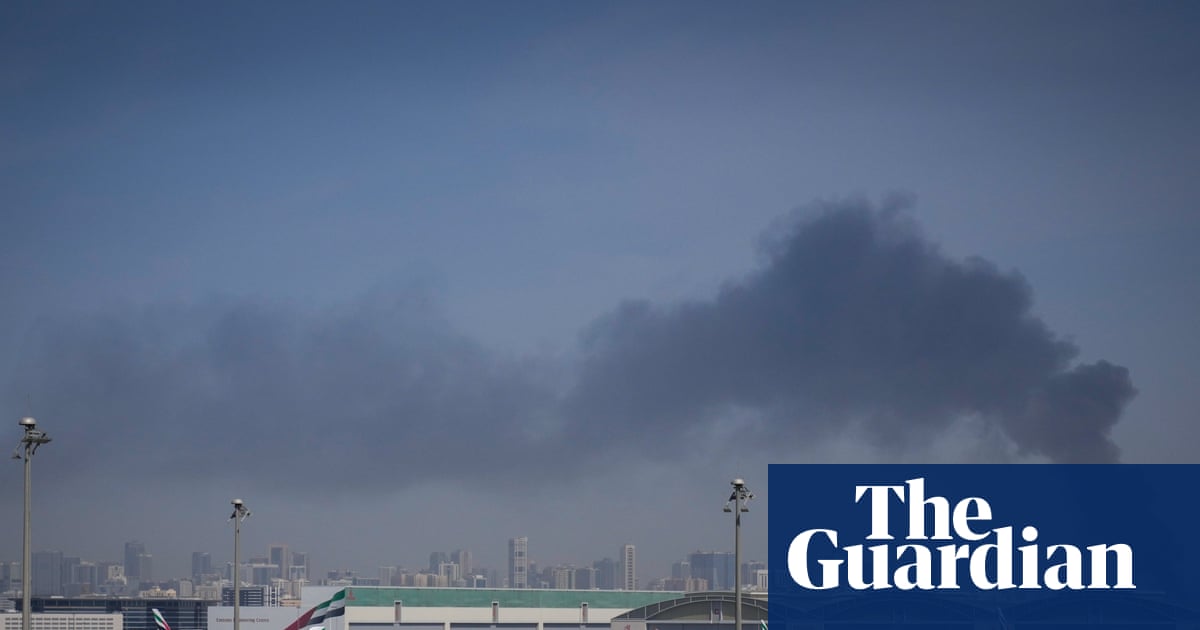
“Iranian attacks on Dubai and the closure of its airport have triggered a scramble among the wealthy to leave the emirates via alternative routes on private jets.
“The normally glitzy city – a playground for billionaires, influencers and millions of international visitors – has been on edge since drones and missiles fired in response to US and Israel strikes on Iran damaged the airport and struck several high-profile hotels and landmarks.”
I’ve had it explained by Middle Eastern businessmen that I’ve worked with. The workers are either Indian or Filipino. One of them is significantly better, but they are also more expensive. They sign contracts, and have to work long hours and stay cooped up in tight fitting bunks, like on a ship. It’s a pretty awful existence for little money.
Those rich Dubai kids aren’t going to do those jobs.
I’ve had connections to people who did that kind of work also, they tell a lot of stories about people who have their passports or other vital documentation or cash savings confiscated on arriving and then they’re not allowed to leave and forced to work long, dangerous hours or not get paid or fed. These are often people from poor families or with little means to get out on their own.
I lived in that part of the world for a few years. It’s even worse than you describe it. Along with signing contracts, the workers are required to hand over their passports to their employers, so if they’re trying to escape a rapist boss or are forced into debt slavery, they can’t escape.
If they ever do the Olympics in the UAE, maid-rape will be a demonstration sport.
The working hours are very long, they pay is shit, and the working conditions abusive.
Along with the Indians and Filipinos, there are lots of Egyptians and Eritreans in low-paid jobs. You’ll find Lebanese, Palestinians and other Levantines in middle management: their living and working conditions are much less horrendous. The local Gulfies and Saudis are seldom seen doing any real work, they’re just rentiers who come into the office occasionally to remind everyone else who owns the place.
In Saudi Arabia, there are (relatively) poor Saudis, but they get government money, trucks, medical care, education and housing and generally don’t do any real work. I’d occasionally run into Saudi Bedouins running cafes or small farms, or trading commodities like spices. They were generally good people, unlike the urban parasitic layabouts.
Great response! Thanks!